Integrating In Vitro Techniques in Safety Assessments: A Game Changer for Nonclinical Safety
- Dessi McEntee

- May 20
- 6 min read
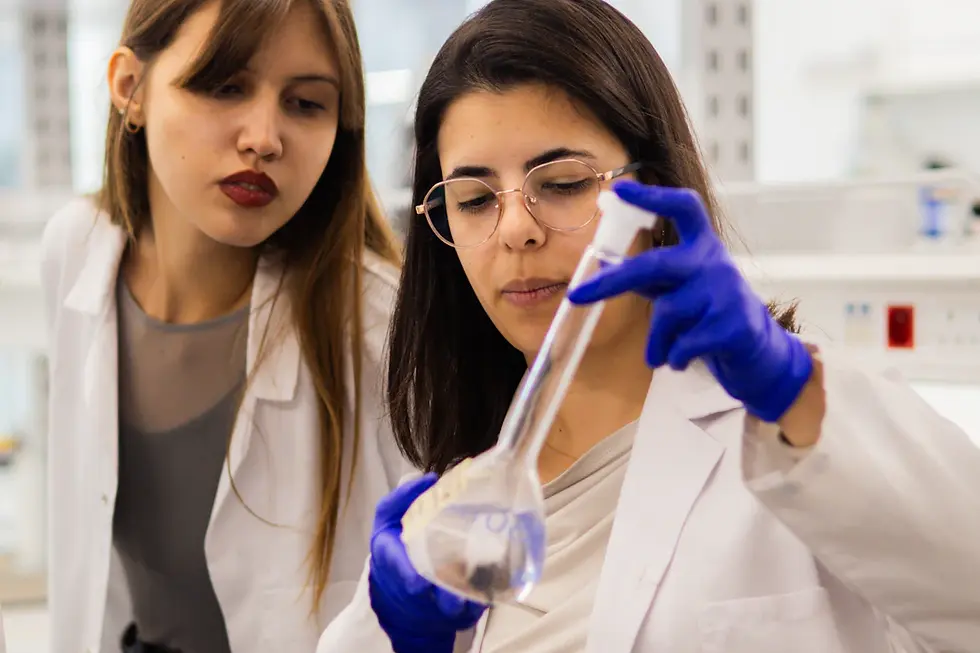
Overview
The integration of in vitro techniques into nonclinical safety assessments is revolutionizing drug development by reducing animal testing, improving predictive models, and enhancing mechanistic insights. These methods provide significant advantages, such as customization and high-throughput screening, while addressing ethical and cost concerns. Despite challenges like validation and complexity, their regulatory acceptance is growing, leading to better safety evaluations and patient outcomes in the pharmaceutical industry.
Contents
The pharmaceutical industry is constantly evolving, with new technologies and methodologies enhancing processes across the board. One particularly transformative approach is the integration of in vitro techniques into safety assessments. This innovation is reshaping the landscape of nonclinical safety evaluations, which are crucial for the successful development of new drugs and ensuring their safety for human use. In this article, we will explore how in vitro techniques are applied in safety assessments, their implications for toxicology, and their overall importance in drug development and IND submissions.
The Role of In Vitro Techniques in Nonclinical Safety
In vitro techniques involve testing biological systems outside of the organism, typically in controlled laboratory settings. These techniques can complement traditional in vivo studies, providing valuable data on safety and efficacy. The shift towards in vitro methods in the field of toxicology is driven by several factors:
Reduction of Animal Testing: Regulatory pressures and ethical considerations are leading to a reduction in the use of animal models in drug development.
Cost-effectiveness: In vitro studies generally require fewer resources and time than in vivo studies, allowing for faster iteration and data collection.
Improved Predictive Models: In vitro techniques can offer more precise insights into the mechanisms of action and potential adverse effects.
Benefits of In Vitro Safety Assessments
The application of in vitro methods for nonclinical safety assessments is burgeoning. Their benefits can significantly enhance toxicology evaluations, which are pivotal in the drug development process. Here are some compelling advantages:
Mechanistic Insights: In vitro experiments allow researchers to observe cellular responses to drugs, providing valuable mechanistic insights that are difficult to obtain through animal studies.
High-Throughput Screening: Advances in technology enable high-throughput screening of compounds, significantly accelerating the screening process for potential drug candidates.
Customization: In vitro models can be tailored to resemble specific diseases or physiological conditions, aiding in the assessment of drug safety in targeted populations.
Key In Vitro Techniques in Safety Assessments
The effectiveness of in vitro methods in safety assessments relies on various techniques, including:
1. Cell Culture Models
Cell culture models provide a basis for various in vitro assessments of drug toxicity, efficacy, and safety. By studying cultured cells, scientists can analyze how drugs affect cellular functions.
2. Organ-on-a-Chip
This innovative technology emulates human organ systems on microchips, allowing researchers to investigate drug interactions and toxicological effects in a highly controlled environment.
3. 3D Bioprinting
3D bioprinting creates tissue-like structures that better represent human systems than traditional 2D cultures. This technique significantly improves the predictive accuracy of safety assessments.
Regulatory Perspectives on In Vitro Techniques
The integration of in vitro techniques into regulatory frameworks marks a significant advancement in the pharmaceutical industry. Regulatory agencies like the FDA are increasingly endorsing these methods in drug development. This acceptance stems from promising data supporting the reliability of in vitro assays in providing relevant information for risk assessments in nonclinical safety.
As a result, organizations involved in drug research and development are actively working to align their IND submission processes with modern testing methodologies.
Addressing Challenges in In Vitro Safety Assessments
Despite the many advantages that in vitro techniques offer, several challenges remain in their widespread adoption for safety assessments:
Validation and Standardization: Ensuring consistency and reliability across different in vitro assays is crucial for regulatory acceptance.
Limitations in Complex Interactions: In vitro models can sometimes oversimplify biological systems, not adequately mimicking the complexity of whole organisms.
Interdisciplinary Knowledge Requirements: The implementation of advanced in vitro techniques necessitates a high level of expertise, requiring collaboration across disciplines.
Success Stories: In Vitro Techniques in Action
Many companies within the pharmaceutical industry have successfully integrated in vitro assessments into their safety evaluation processes. These real-world applications showcase the transformative impact of these techniques:
Case Example 1: Cancer Therapies
Cancer drug development has seen a significant shift towards using in vitro models that simulate tumor environments. For instance, utilizing tumor organoids in safety assessments has led to better predictions regarding drug efficacy and toxicity, vastly improving patient outcomes.
Case Example 2: Cardiovascular Drugs
In the development of cardiovascular drugs, in vitro techniques have helped identify potential cardiovascular safety concerns effectively. By using human stem cell-derived cardiomyocytes, researchers have been able to test drug interactions on heart cells accurately, thus foreseeing adverse cardiovascular effects before clinical trials begin.
Innovations Shaping the Future of Safety Assessments
The dynamic realm of toxicology and safety assessments continues to evolve. Emerging trends reveal promising innovations that could further enhance nonclinical safety frameworks. Noteworthy advancements include:
Artificial Intelligence: AI-powered analyses streamlining data interpretation will significantly reduce time and effort in assessing safety.
Bioinformatics: Advanced bioinformatics tools are proving invaluable in analyzing vast data sets derived from in vitro techniques, leading to more precise safety predictive models.
Personalized Medicine: Techniques capable of emulating individual variations in drug response are advancing, ultimately leading to personalized safety assessments tailored to specific patient groups.
The Integration Spectrum: In Vitro and Traditional Methods
While in vitro techniques are gaining traction, they are not a panacea for all safety assessment challenges in nonclinical safety. A hybrid approach that combines in vitro methods with traditional in vivo assessments often yields the most reliable data for regulatory approval of new drugs. The collaboration of these two paradigms ensures a thorough evaluation process that can effectively address safety concerns.
As more insights are gained into the mechanisms of action through innovative techniques like those discussed, researchers will increasingly lean towards methodologies that promote patient safety and drug efficacy.
Essential Resources for Navigating In Vitro Safety Assessments
For professionals in the pharmaceutical industry looking to enhance their understanding of nonclinical safety assessments, many resources can provide valuable insights. Blogs and studies emphasizing different aspects of nonclinical safety can guide decision-making in drug development. Some recommended reads include:
Additionally, our comprehensive products can enrich the knowledge base essential for effective safety assessments. Consider browsing our resources that focus on various aspects of toxicology and drug development:
For instance, the product designed to support your drug development processes can be a valuable asset in navigating the complexities of safety assessments and furthering your understanding of nonclinical safety.
Step into the Future of Safety Assessments!
The integration of in vitro techniques into safety assessments marks a pivotal moment in the evolving practices of nonclinical safety within the pharmaceutical industry. As researchers adopt innovative methodologies that enhance predictive accuracy and address ethical considerations, the future of drug development looks promising. Through the continuous refinement and validation of these techniques, we pave the way for safer and more effective therapies that ultimately improve patient outcomes. Embracing these advancements is not just an option; it's an imperative for those wishing to stay at the forefront of pharmaceutical excellence!
Explore these products to enhance your safety assessments. I'm a product and I'm a product.
Related Products
I'm a product - $85.00 - I'm a product description. I'm a great place to add more details about your product such as sizing, material, care instructions and cleaning instruct...
I'm a product - $130.00 - I'm a product description. I'm a great place to add more details about your product such as sizing, material, care instructions and cleaning instruct...
I'm a product - $25.00 - I'm a product description. I'm a great place to add more details about your product such as sizing, material, care instructions and cleaning instruct...
FAQs
What are in vitro techniques in safety assessments?
In vitro techniques involve testing biological systems outside of the organism, typically in controlled laboratory settings, to provide data on safety and efficacy.
What are the benefits of using in vitro methods for nonclinical safety assessments?
Benefits of in vitro methods include mechanistic insights, high-throughput screening capabilities, and the ability to customize models to mimic specific diseases or conditions.
How do in vitro techniques compare to traditional in vivo studies?
In vitro techniques generally require fewer resources and time than in vivo studies, offer improved predictive models, and help reduce the reliance on animal testing.
What challenges do in vitro techniques face in safety assessments?
Challenges include the need for validation and standardization, limitations in replicating complex biological interactions, and the requirement for interdisciplinary knowledge.
What future innovations are shaping in vitro safety assessments?
Emerging innovations such as artificial intelligence, bioinformatics, and personalized medicine are advancing the field of in vitro safety assessments, enhancing predictive accuracy and addressing variations in drug response.


Comments